Bankroll Adjustments Triggered by Layered Reward Systems in Hybrid Poker and Roulette Platforms
Written by Erik Friedrich · Sep 12, 2026

Bankroll Adjustments Triggered by Layered Reward Systems in Hybrid Poker and Roulette Platforms
Hybrid poker and roulette platforms combine table game mechanics with poker tournaments and cash games under single account structures, and layered reward systems within these environments prompt measurable shifts in how participants allocate funds across sessions. These systems typically stack cashback percentages, tiered loyalty multipliers, and bonus triggers that activate at different wagering thresholds, so players recalibrate deposit amounts and session limits to maximize point accumulation without exceeding risk parameters.
Mechanics of Layered Reward Integration
Operators structure rewards so that roulette spins contribute to a base loyalty tier while poker hands feed into separate rakeback calculations, and crossing certain combined volume levels unlocks accelerated multipliers that apply retroactively to both game types. Data from platform operators shows that participants often increase roulette exposure during promotional windows because the game's faster spin rate generates points quicker than slower poker hands, yet they maintain separate poker bankroll reserves to cover tournament buy-ins that unlock higher cashback brackets. In September 2026 several major hybrid sites updated their algorithms to weight roulette contributions more heavily in mixed-activity bonuses, and this change produced observable reallocations where average poker session sizes dropped while roulette allocations rose proportionally.
Observed Allocation Patterns Across Player Segments
Recreational participants frequently consolidate smaller deposits into single accounts that service both games, then adjust withdrawal schedules once cumulative rewards reach preset tiers that reduce effective house edges. Mid-stakes regulars, by contrast, segment funds into dedicated poker and roulette ledgers because the reward layers impose different minimum activity requirements that conflict when managed from one pool. Research conducted by the Nevada Gaming Control Board indicates that hybrid platforms recorded a 14 percent rise in cross-game transfers during the third quarter of 2026, with most movements flowing from poker balances into roulette wallets ahead of multiplier activation periods.
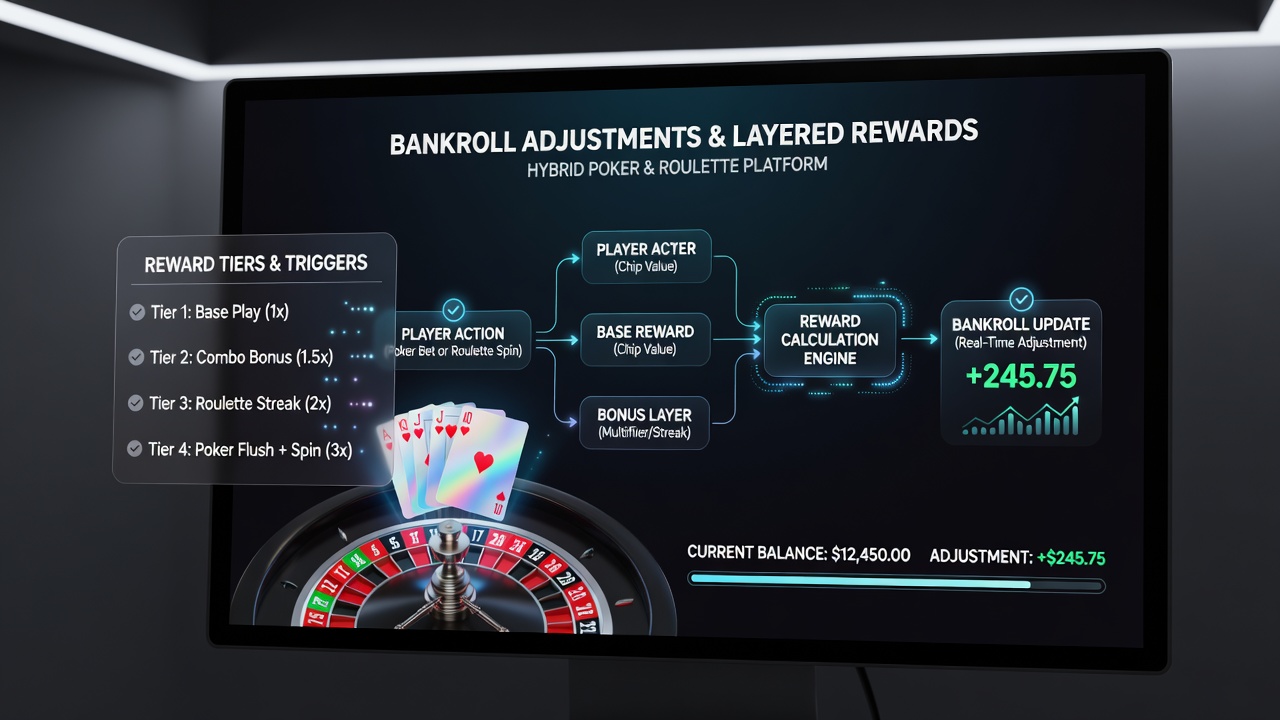
High-volume players track reward progress through real-time dashboards that display projected cashback against current bankroll exposure, and they respond by pausing one game type once the marginal reward value falls below a chosen threshold. This behavior creates cyclical funding patterns where accounts receive fresh deposits timed to coincide with new reward cycles rather than following fixed weekly or monthly schedules.
Regulatory Context and Platform Reporting Requirements
Regulators in multiple jurisdictions require operators to disclose how reward structures influence player fund movements, and the New Jersey Division of Gaming Enforcement now mandates quarterly reports that break down bankroll transfers between game categories on hybrid sites. These disclosures reveal that layered systems generate higher average session durations because players chase tier completions, yet they also produce sharper drops in activity once maximum reward brackets are reached. Canadian provincial gaming authorities have begun requesting similar segmented data, noting that reward layering can mask the true distribution of risk across poker and roulette products when viewed only through total handle figures.
Impact on Risk Management Protocols
Platform tools now include automated alerts that flag when reward progress would require additional deposits exceeding preset loss limits, and users who activate these controls show reduced transfer frequency between game types. Observers note that the alerts function by comparing projected reward value against remaining bankroll after accounting for pending tournament entries or open roulette positions. Because hybrid environments allow simultaneous play, the alerts incorporate both game clocks to prevent overcommitment during overlapping reward windows.
Conclusion
Layered reward systems continue to reshape bankroll practices on hybrid poker and roulette platforms as operators refine multiplier mechanics and regulators demand greater transparency around fund flows. The patterns documented through 2026 demonstrate consistent reallocations tied to reward thresholds rather than standalone game preferences, with data from oversight bodies confirming measurable shifts in deposit timing and game-type exposure. Future adjustments will likely depend on how platforms integrate new reward layers with existing risk-management features across expanding hybrid offerings.