Cross-Platform Bonus Flow Dynamics in Digital Poker and Reel Ecosystems
Written by Yves Koch · Aug 11, 2026
Cross-Platform Bonus Flow Dynamics in Digital Poker and Reel Ecosystems
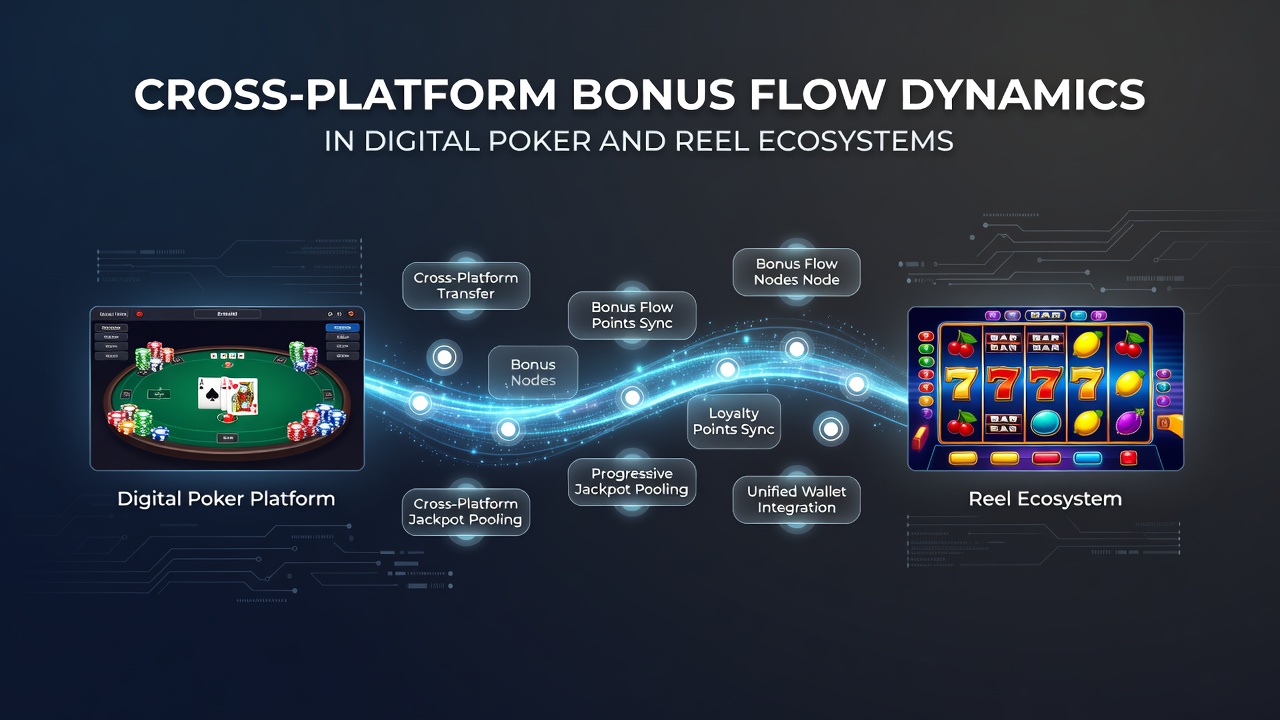
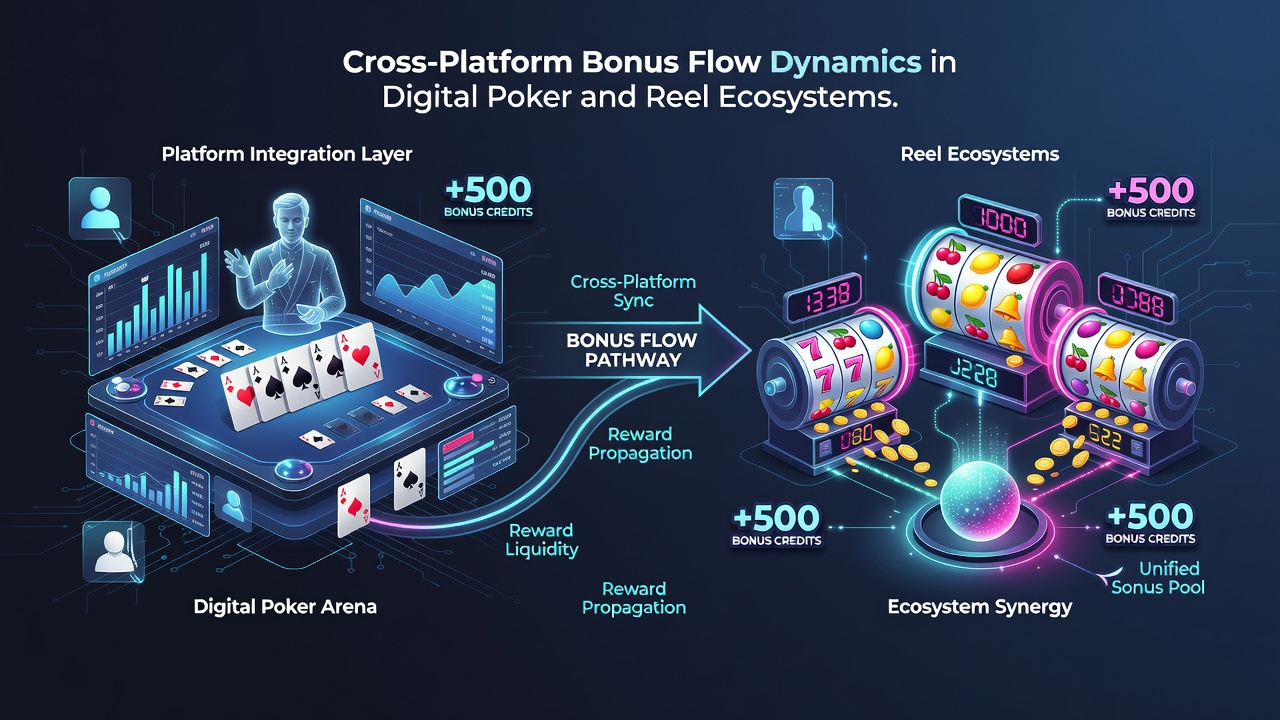
Digital gambling platforms have integrated bonus systems that allow funds and rewards to move between poker rooms and reel-based games without resetting progress toward wagering targets, and operators track these movements through unified player accounts that update in real time across separate game categories. August 2026 data releases from several multi-jurisdictional operators showed that players who activate a deposit match on poker tables often carry remaining playthrough obligations into slot sessions, while reel bonuses sometimes convert into poker tournament entries once volume thresholds are met.
Unified Account Structures and Transfer Protocols
Platform architecture typically links poker and reel environments through a single wallet that records bonus balances separately from cash funds, yet wagering contributions accumulate across both categories when the terms specify combined play. Researchers at industry analytics firms documented that seamless transfers reduce player friction by eliminating manual conversions, and software logs capture each move with timestamps that support audit trails required by licensing authorities. Those who manage large player cohorts report that cross-platform flows increase session length because users switch games while maintaining progress on the same bonus, and this pattern appears consistently in markets where regulators permit shared loyalty ledgers.
Data Patterns from Regulated Markets
Figures released in mid-2026 by operators licensed in New Jersey and Ontario indicated that approximately 38 percent of bonus redemptions initiated in poker environments migrated to reel games within the same week, whereas reel-initiated bonuses crossed into poker lobbies at a lower rate of 22 percent during the same period. The American Gaming Association compiled operator-submitted metrics that revealed higher retention among accounts exhibiting at least one cross-platform bonus movement per month, and these accounts generated elevated handle volumes compared with single-category users. Observers note that volatility differences between poker variance and slot return-to-player percentages influence how quickly players exhaust or extend bonus life when shifting platforms, yet the underlying contribution formulas remain consistent across game types once the operator defines eligible activities.
Regulatory Oversight and Compliance Mechanisms
Licensing bodies in multiple regions require operators to maintain transparent logs of bonus movements so that players cannot circumvent playthrough rules through rapid platform switching, and audit procedures now include automated flags for unusual transfer sequences. The Nevada Gaming Control Board updated its technical standards in early 2026 to address shared bonus ledgers, while the Australian Communications and Media Authority issued guidance that emphasized clear disclosure of transfer eligibility at the point of bonus activation. Experts have observed that these rules reduce disputes because players receive explicit notices about which game categories contribute toward completion and which do not, and the same documentation specifies any caps on transferable amounts when users move between poker and reel sections.
Player Behavior and Platform Response
Analytics teams monitoring multi-game lobbies record that users frequently test bonus compatibility by placing small bets in one category before committing larger volumes in another, and platforms respond with real-time balance updates that reflect partial progress. Studies conducted by academic researchers at institutions examining digital gambling patterns found that accounts with cross-platform bonus activity displayed longer overall tenure before cashing out, although total wager amounts varied according to individual risk preferences rather than bonus structure alone. Operators adjust contribution rates periodically to balance incentives across poker and reel ecosystems, and these adjustments appear in player-facing terms at least 30 days before implementation in most regulated jurisdictions.
Technical Integration Challenges
Backend systems must reconcile differing game engines and random number generators while preserving a single bonus ledger, and developers implement middleware layers that translate poker hand histories and reel spin outcomes into standardized contribution units. Network latency during simultaneous sessions can delay balance updates, yet operators deploy caching mechanisms that prevent players from exceeding available bonus funds across platforms. Those responsible for system uptime report that redundancy protocols have reduced transfer failures to under 0.5 percent of transactions in major deployments, and this reliability supports continued growth in cross-platform promotions throughout 2026.
Conclusion
Cross-platform bonus flow dynamics continue to shape how operators structure rewards and how players allocate time across poker and reel environments in regulated digital markets. Data collected through August 2026 demonstrates measurable movement between categories, supported by unified ledgers and compliance frameworks that maintain integrity while enabling flexible play. Industry reports and regulatory filings provide ongoing visibility into these mechanics, and further refinements in tracking technology are expected as more jurisdictions adopt shared-wallet standards.