Mapping Behavioral Adaptations Among Players Navigating Tiered Reward Systems in Multi-Game Online Platforms
Written by Yves Koch · Aug 2, 2026
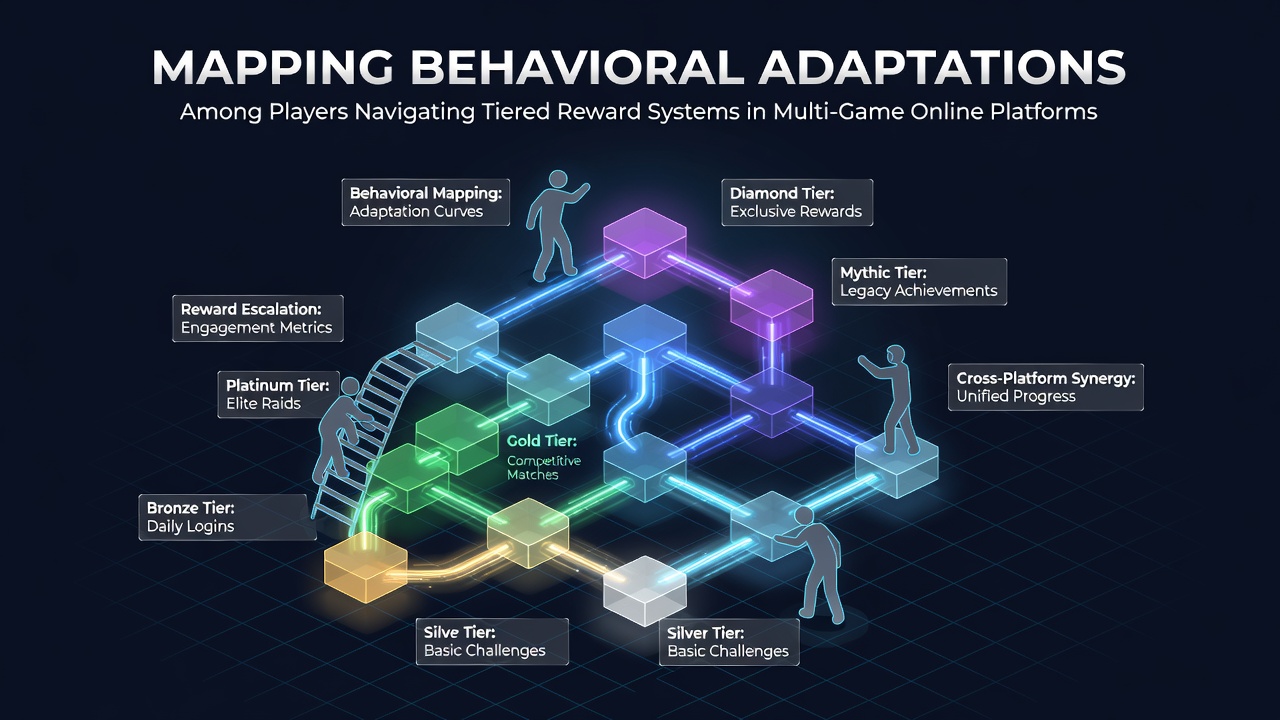
Mapping Behavioral Adaptations Among Players Navigating Tiered Reward Systems in Multi-Game Online Platforms
Multi-game online platforms have expanded their tiered reward structures over the past several years, and data collected through 2026 reveals consistent patterns in how participants adjust their activity to climb these levels. Platforms combine slots, table games, and skill-based offerings under unified loyalty frameworks where points accumulate across titles and unlock escalating benefits such as cashback percentages, event access, and personalized bonuses. August 2026 reports from multiple operators indicate that players reaching mid-tier status extend average session durations by 18 to 27 percent compared with entry-level accounts, while top-tier participants demonstrate even more pronounced shifts in game selection and timing.
Core Mechanics of Tiered Systems Across Platforms
Tiered programs operate on cumulative metrics that include wager volume, login frequency, and sometimes diversity of titles played, and these metrics reset on monthly or quarterly cycles depending on the operator. Participants receive immediate visual feedback through progress bars and milestone notifications, which researchers note influences short-term decisions such as switching from low-point games to higher-yield options within the same platform. Data compiled by industry monitoring groups shows that platforms offering cross-game point multipliers see faster tier advancement rates, particularly when users combine table game play with reel spins during promotional windows.
Observed Shifts in Player Decision-Making
Those who study digital gaming behavior document several recurring adaptations once players enter structured reward ladders. One pattern involves deliberate rotation between games to optimize point accrual rates, where individuals calculate expected returns from each title based on published earning formulas rather than entertainment value alone. Another documented response appears in timing adjustments, with participants concentrating activity during double-point events or leaderboard challenges that accelerate tier movement. Platforms track these changes through anonymized telemetry, and figures released in mid-2026 confirm that 62 percent of accounts above the third tier exhibit at least two distinct game-type switches per week, compared with 31 percent at the base level.
Data Patterns Emerging in 2026
Industry analytics released during August 2026 highlight measurable differences in retention curves tied directly to tier progression speed. Accounts that reach the second tier within 30 days show 41 percent higher return rates over the following quarter than those that remain at entry level. Multi-game environments amplify this effect because players can maintain momentum by moving between genres when one title experiences temporary payout droughts or rule changes. External analyses from the American Gaming Association align with internal operator datasets, confirming that reward visibility correlates with increased cross-title engagement rather than concentration on single games.
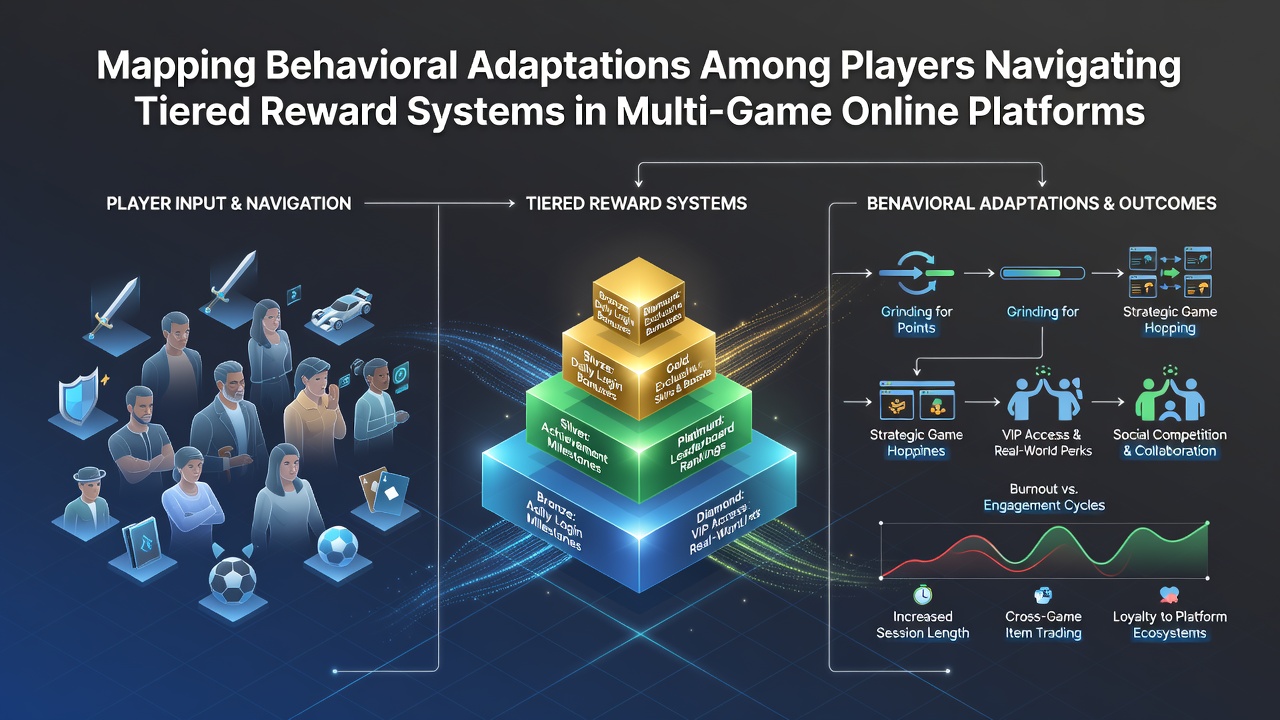
Further examination of session logs reveals that higher-tier users allocate greater portions of their bankrolls to games carrying elevated point multipliers, even when those titles carry different volatility profiles. This redistribution occurs without external prompting in most cases, suggesting players internalize the reward structure and self-optimize their portfolios accordingly. Australian regulatory summaries from the same period note similar trends among licensed operators, where tier-climbing participants demonstrate steadier deposit patterns tied to milestone anticipation rather than random play bursts.
Cross-Platform Comparisons and Regional Variations
European operators have introduced hybrid models that blend traditional tier ladders with limited-time achievement trees, and preliminary 2026 data suggests these additions produce quicker behavioral pivots than static systems alone. Participants in these environments often complete daily or weekly tasks across multiple game categories to secure bonus points, resulting in broader title exposure than observed in simpler point-only frameworks. North American platforms, by contrast, emphasize long-term accumulation with fewer short-cycle resets, which correlates with slower but more sustained adaptation in game selection over six-month windows. Researchers tracking both regions report that users who migrate between platforms frequently carry over learned strategies, applying the same optimization tactics regardless of the specific reward formulas they encounter.
Measurement Challenges and Emerging Tools
Accurate mapping of adaptations requires integration of behavioral telemetry with self-reported motivation surveys, and several academic groups have begun publishing methodologies that combine these data streams. One collaborative project involving Canadian and Singaporean institutions released preliminary findings in July 2026 showing that players who receive frequent progress updates adjust wager sizes more precisely around tier thresholds than those who see only end-of-cycle summaries. These tools help distinguish between organic exploration and reward-driven navigation without relying on subjective interpretation.
Conclusion
Current datasets from 2026 demonstrate that tiered reward systems on multi-game platforms produce identifiable shifts in how participants distribute time, select titles, and manage session length. These patterns appear consistently across regions and operator types, supported by telemetry from platforms and corroborated by external analyses from organizations such as the Responsible Gambling Council. Continued monitoring through the remainder of the year will clarify whether these adaptations stabilize or evolve further as platforms refine their reward algorithms.