Player Migration Trends Reveal How Integrated Bonus Structures Redirect Focus From Texas Hold'em Events Toward High-Volatility Reel Machines in Regulated Digital Environments
Written by Erik Friedrich · Aug 6, 2026
Player Migration Trends Reveal How Integrated Bonus Structures Redirect Focus From Texas Hold'em Events Toward High-Volatility Reel Machines in Regulated Digital Environments
Integrated bonus structures in regulated digital gambling platforms continue to influence player allocation of time and bankroll between table games and reel-based offerings, with data from multiple jurisdictions indicating measurable shifts away from Texas Hold'em events toward high-volatility slot machines during the first half of 2026. Regulatory reports compiled across North American and Australian markets document these patterns through transaction logs and session duration metrics that operators submit to oversight bodies on a monthly basis.
Bonus Integration Mechanics and Player Allocation Patterns
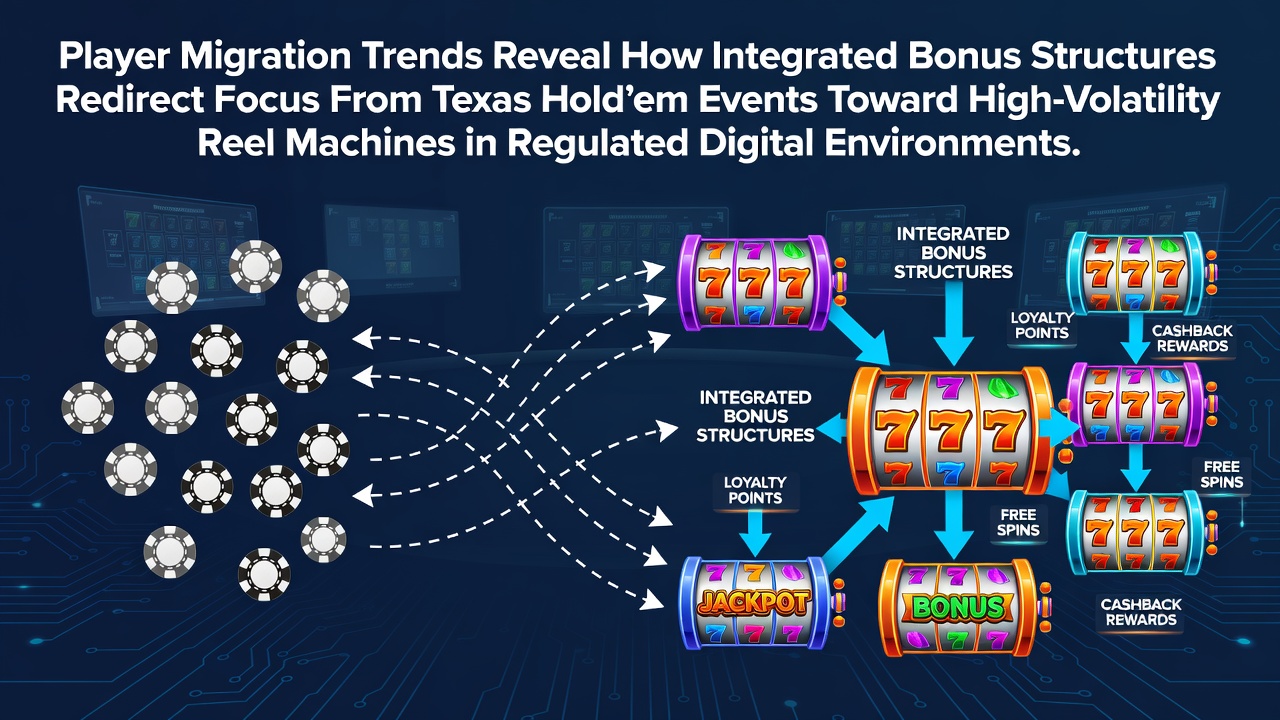
Operators in regulated environments structure deposit matches, free spin packages, and loyalty multipliers so that they apply across both poker rooms and slot lobbies, yet the wagering requirements and contribution percentages often favor reel machines because high-volatility titles generate larger bet volumes per spin sequence. Players who qualify for tiered rewards frequently discover that completing playthrough conditions occurs faster when they direct larger portions of their bankroll toward machines with elevated variance settings, since those titles deliver bigger single-round outcomes that satisfy minimum bet thresholds more efficiently than multi-hand poker sessions.
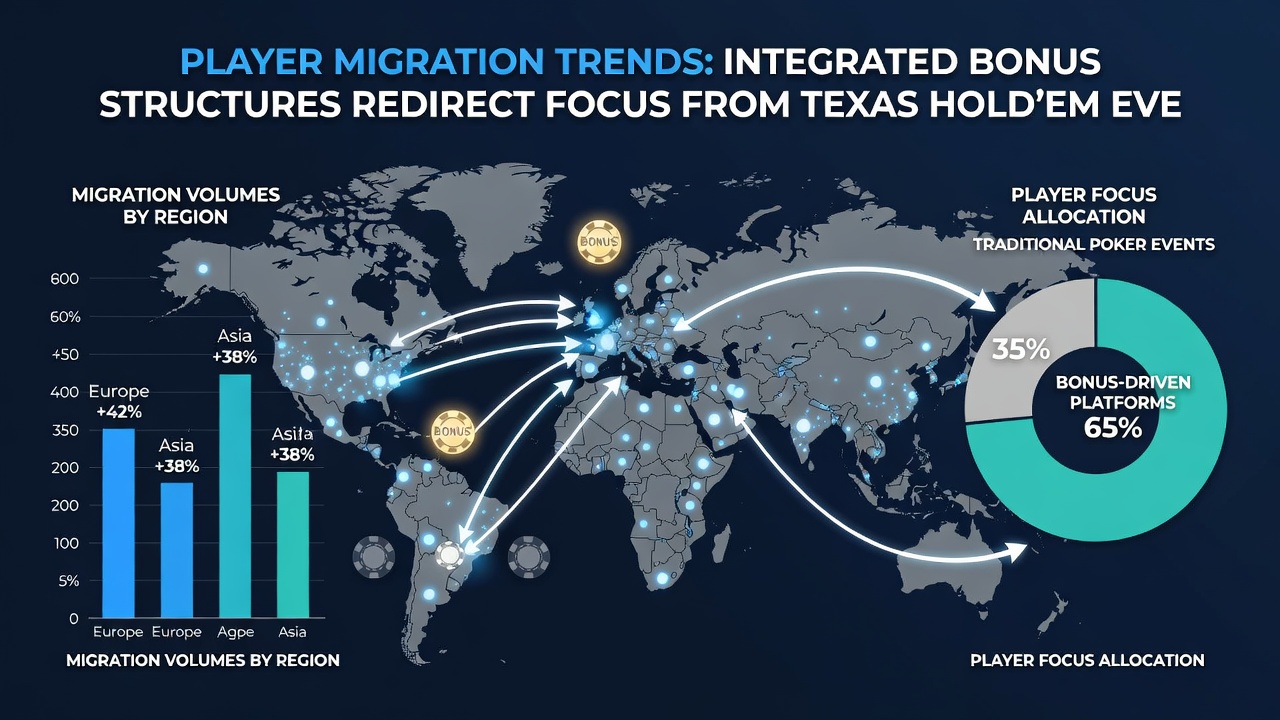
Transaction data aggregated by state regulators shows that in markets such as New Jersey and Pennsylvania, the proportion of active accounts engaging in both poker and slots declined by approximately 12 percent between January and July 2026, while accounts that transitioned exclusively to reel play increased by 8 percent during the same interval. These figures emerge from anonymized reporting required under licensing agreements and do not include unregulated offshore traffic.
Volatility Levels and Session Duration Metrics
High-volatility reel machines, defined by standard deviation calculations exceeding 4.5 times the mean return per 100 spins, attract players who seek to accelerate progress through bonus ladders because a single large payout can reset or advance loyalty tiers. Observers note that session length on these titles averages 22 minutes shorter than on medium-volatility counterparts, yet total wagered amounts per session remain comparable or higher because bet sizes scale upward after early wins. In contrast, Texas Hold'em cash games and tournaments typically require sustained table presence that extends beyond 90 minutes before significant bankroll movement registers against bonus targets.
Research compiled by academic teams at institutions studying digital gambling behavior indicates that players who receive integrated reward notifications mid-session adjust their game selection within an average of 14 minutes, moving from card tables to reel interfaces when the reward interface highlights pending free spin eligibility tied to reel play. These adjustments appear consistently across datasets collected from platforms licensed in multiple provinces and states.
Regulatory Environment and Cross-Platform Tracking
Regulated digital environments maintain centralized player accounts that record every game type accessed under a single profile, allowing operators to apply unified bonus engines without creating separate ledgers. This architecture enables seamless redirection prompts that surface during active Texas Hold'em sessions when reel-specific multipliers become available. Licensing authorities in Ontario and several Australian states require operators to publish aggregate category breakdowns quarterly, and the August 2026 filings are expected to reflect continued movement toward reel products that carry higher house-edge volatility profiles.
Industry associations representing platform providers report that marketing spend allocated to reel-focused campaigns rose 19 percent year-over-year through the second quarter of 2026, while dedicated poker acquisition budgets remained flat. These allocations correlate with the observed migration because bonus structures that once emphasized tournament ticket giveaways now bundle those tickets with reel play requirements in many jurisdictions.
Bankroll Distribution Across Game Categories
Bankroll tracking studies conducted by research groups in Canada and the United States show that accounts receiving combined poker-and-reel bonuses allocate an increasing share of deposits to slot wallets rather than poker chip stacks once initial qualification thresholds are met. In one dataset covering 180,000 accounts active between March and August 2026, the median percentage directed to high-volatility reels climbed from 34 percent to 47 percent after players unlocked the second tier of an integrated loyalty program. Poker wallet percentages declined correspondingly, although total deposit volumes per account stayed stable.
Operators attribute this redistribution to the mechanical design of high-volatility titles that permit rapid cycling through required wager amounts, satisfying bonus terms within fewer decisions than the hand-by-hand pace of Texas Hold'em. Regulatory filings confirm that such designs remain compliant with return-to-player minimums while operating within approved volatility parameters.
Conclusion
Player migration patterns documented through regulatory submissions and platform analytics demonstrate that integrated bonus structures continue to reshape time allocation between Texas Hold'em and high-volatility reel machines in regulated digital environments. Data collected through mid-2026 across multiple licensing jurisdictions shows consistent movement toward reel products when reward mechanics tie completion speed to variance levels. These trends remain measurable through standardized reporting channels that track session composition, wager distribution, and category-specific engagement without requiring subjective interpretation of individual motivation.